
The capital of Kurdistan Province — a land of mountains, history, culture, and warm hospitality.
A city where nature, history, and culture meet.
Sanandaj, also known as "Senna", is the capital city of Kurdistan Province in northwestern Iran. It lies about 153 km from the Iran–Iraq border and 500 km from Tehran.
The city is home to the ruins of an 11th–12th century fortress, the Dar al-Ehsan Mosque, and the Sanandaj Museum. The surrounding area is famous for its mountain caves, hot springs, and freshwater lakes — many of which welcome tourists throughout the year.
Sanandaj enjoys a beautiful natural environment and a pleasant climate, especially in spring and autumn.
Landmarks that reflect the rich history and architecture of Kurdistan.
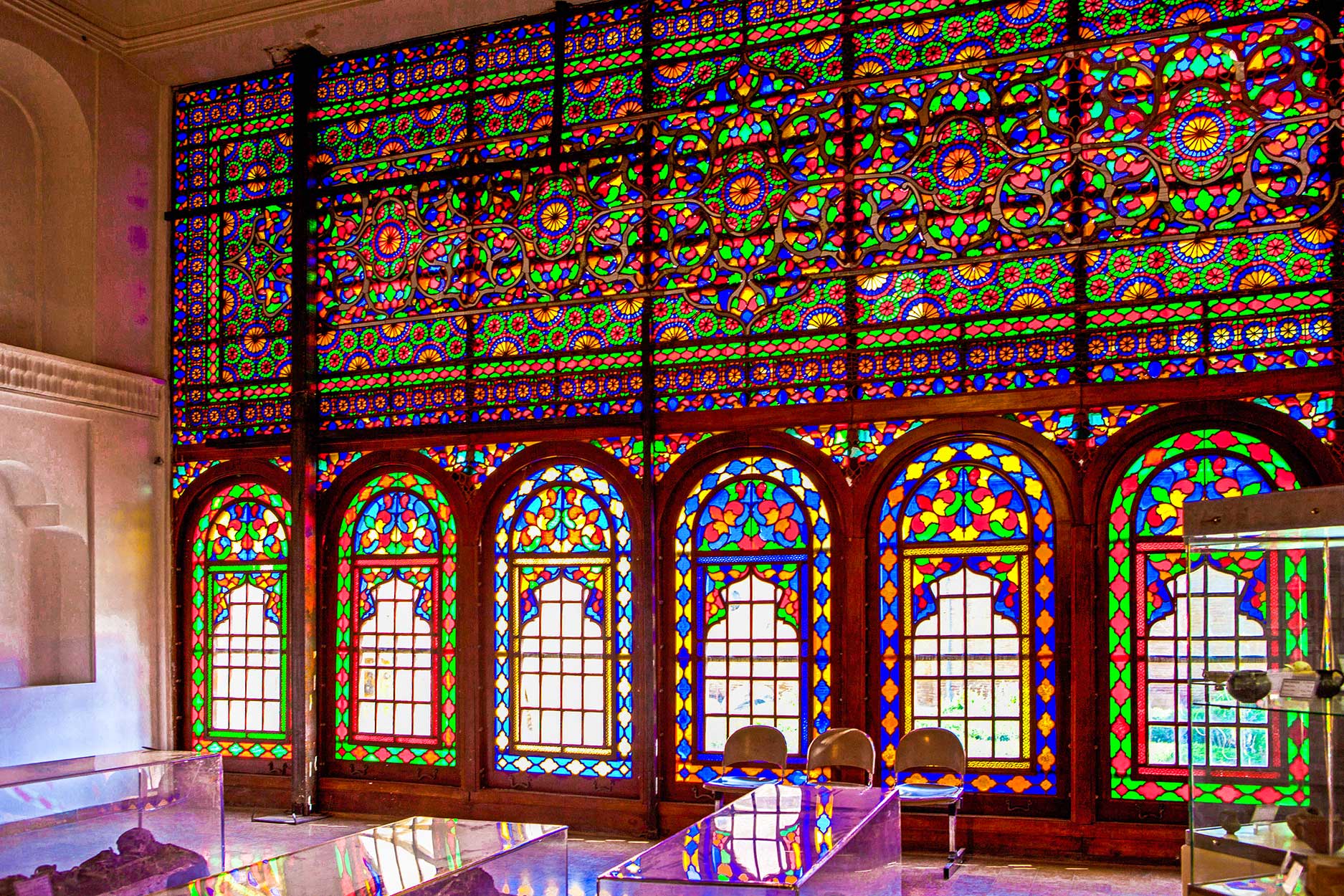
Located in Habibi Alley on Imam Khomeini Street, this historic mansion bears a close resemblance to the architecture of the Qajar period and now serves as the city's main museum.
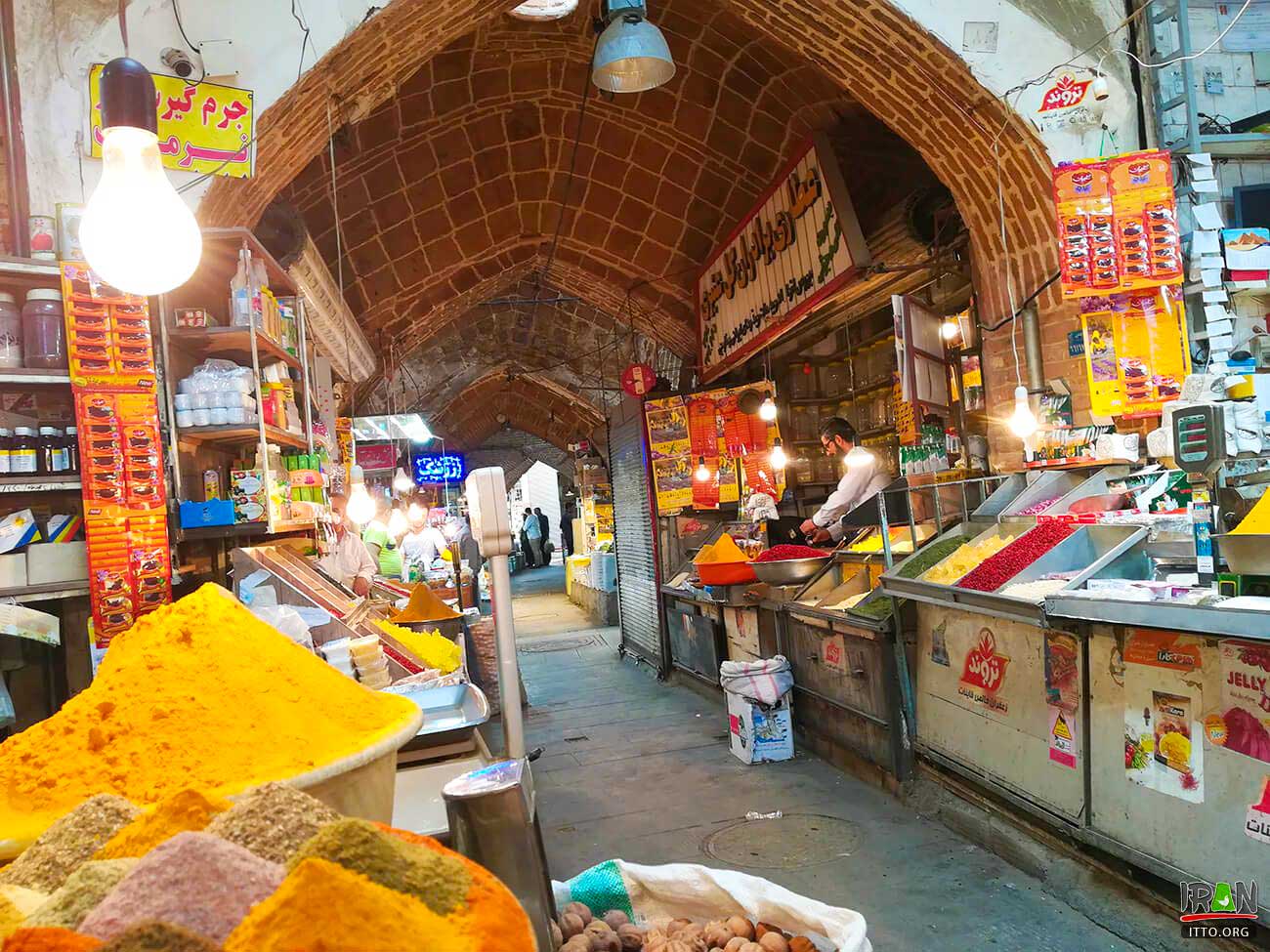
Built in the architectural style of the Safavid period, the bazaar is one of the most valuable historical relics of Kurdistan. It is full of colourful traditional dresses and local goods.
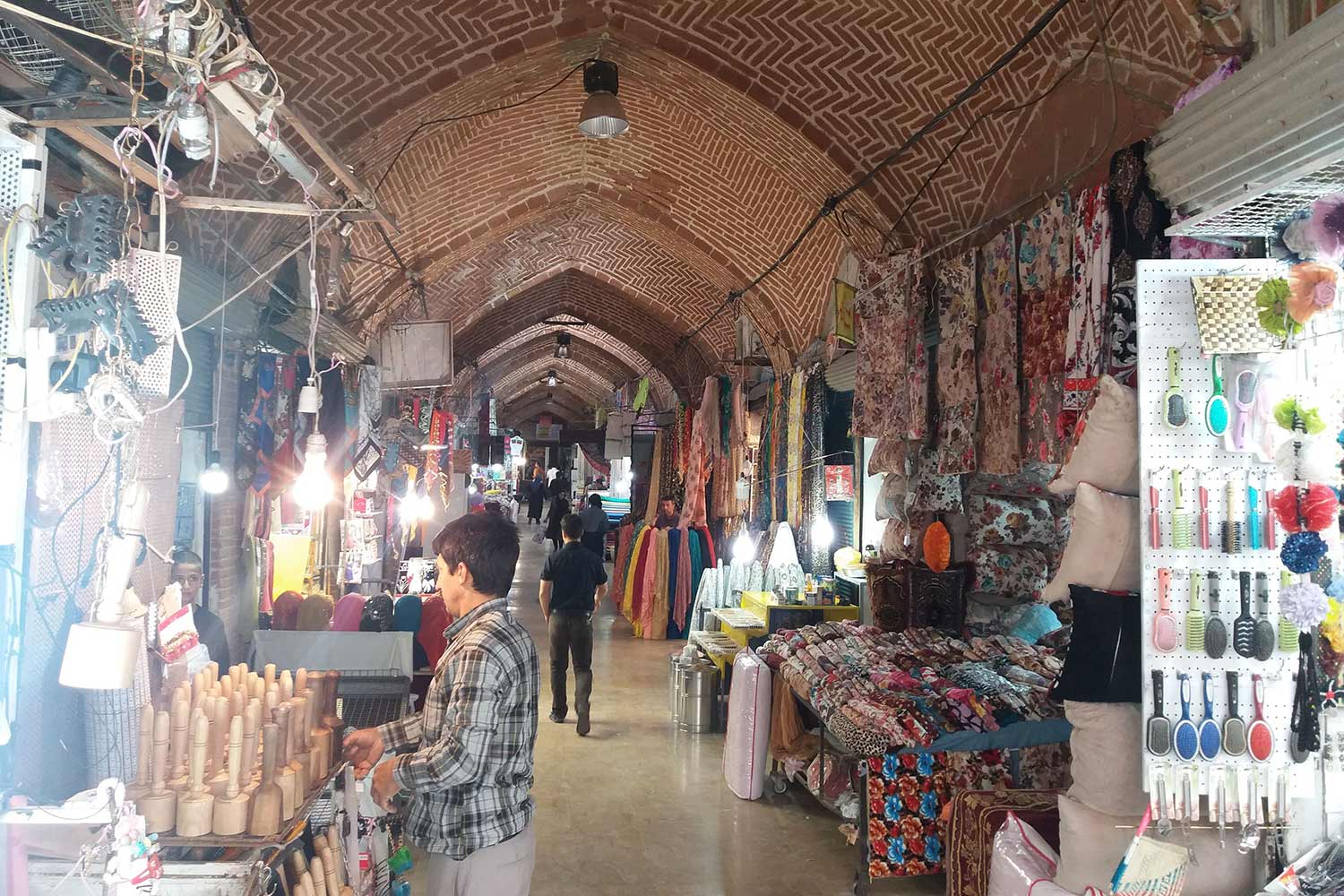
Alongside the main bazaar, the Asef Bazaar is another historic market showcasing Safavid-era architecture and the daily life of the city.
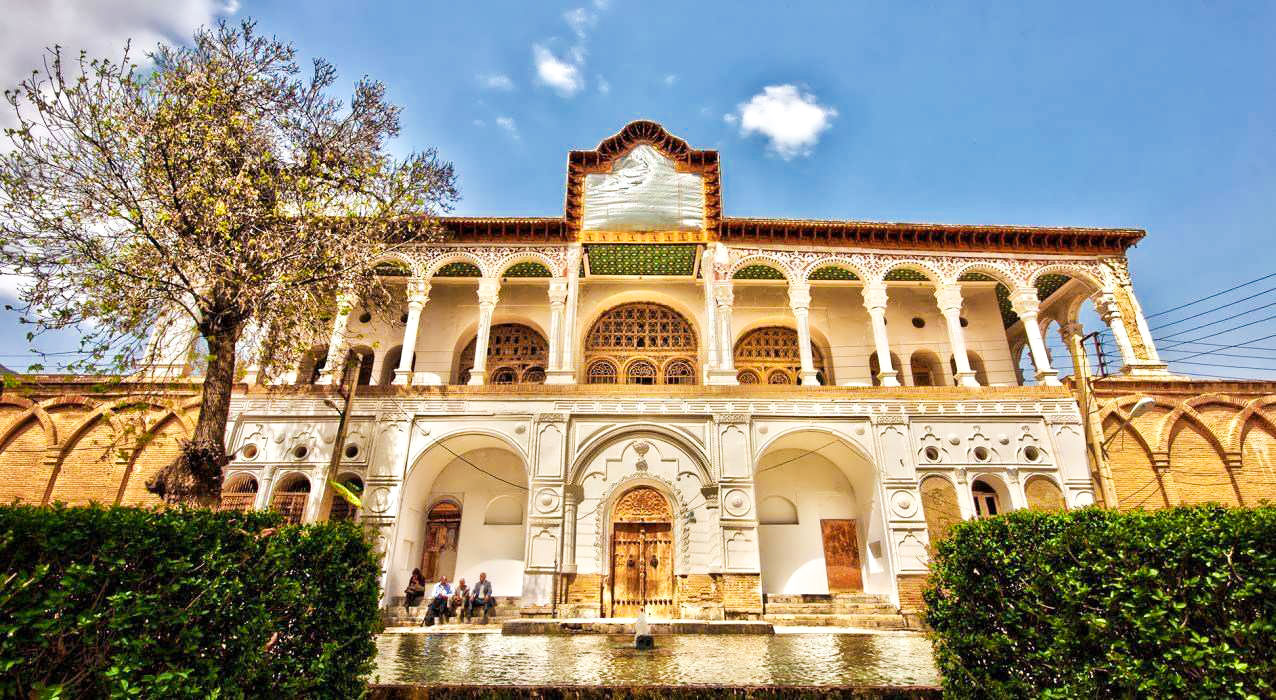
A historic mansion in Sanandaj that reflects the elegance of traditional Kurdish–Persian architecture and the lifestyle of the Qajar era.
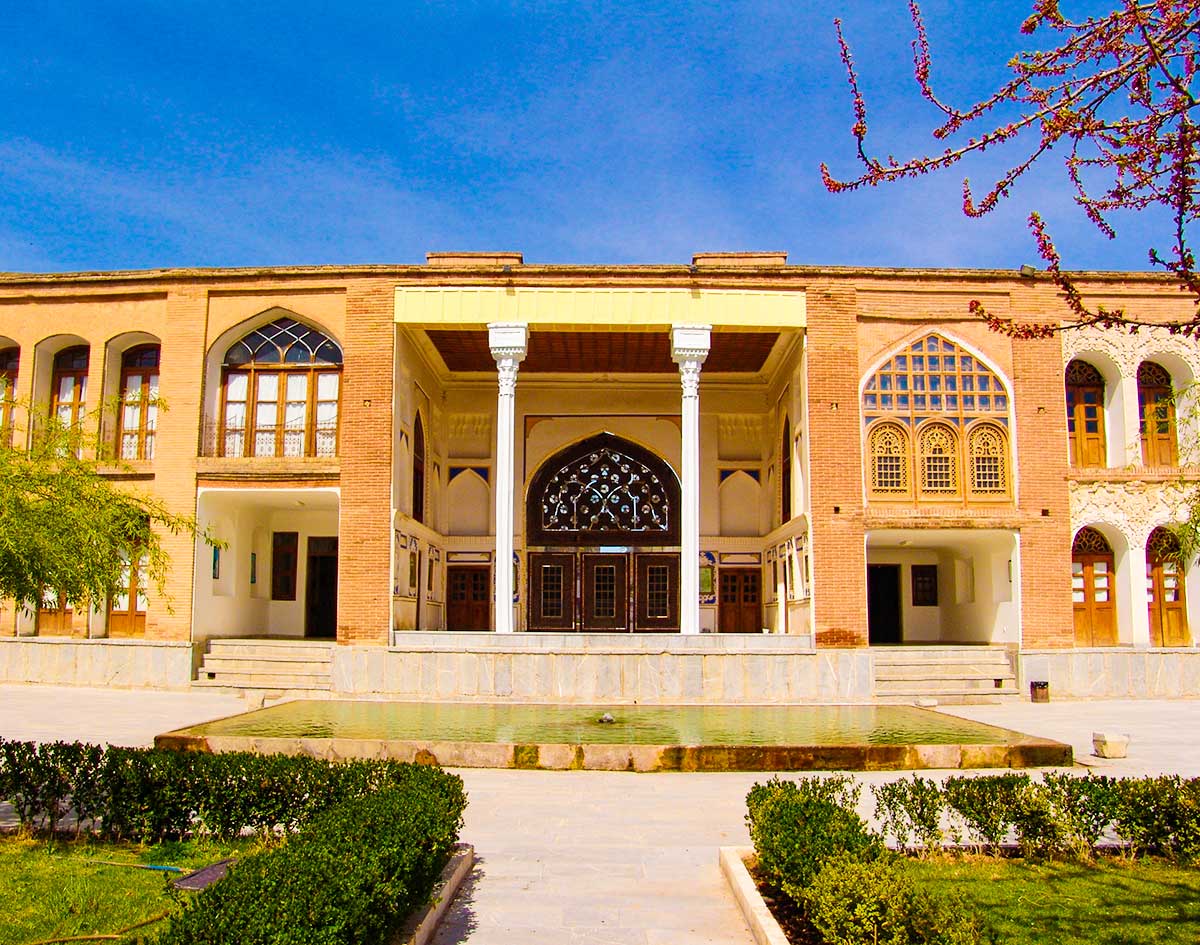
One of the most prominent historical buildings of Sanandaj, known for its distinctive architecture and cultural significance in the region.
Beautiful landscapes and comfortable accommodation for visitors.
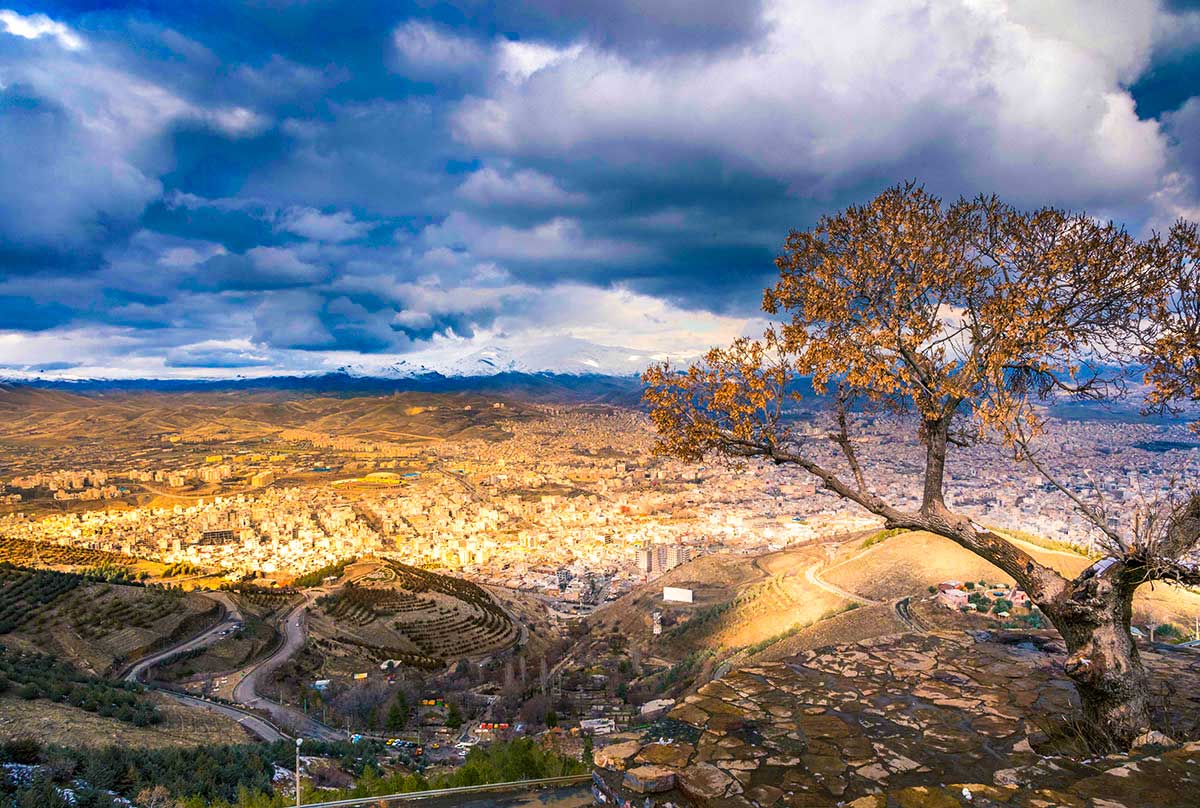
A vast mountainous park overlooking the city of Sanandaj. It is one of the most popular natural attractions for both locals and tourists, offering hiking trails, panoramic views, and fresh mountain air.
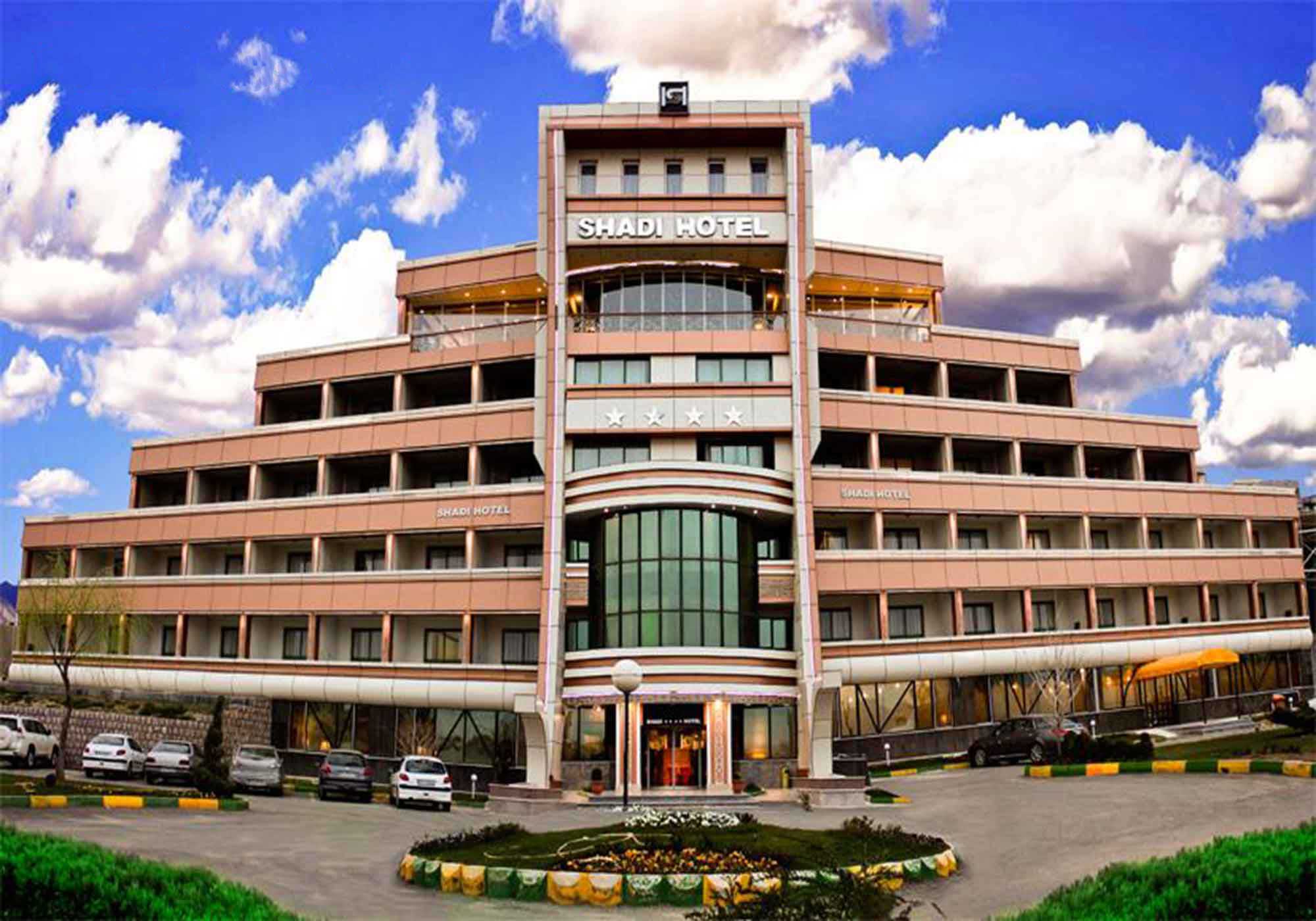
A well-known hotel in Sanandaj offering comfortable accommodation for visitors and international patients, conveniently located near the city's main attractions and medical centers.
The warmth and richness of Kurdish culture in the heart of Sanandaj.
The people of Sanandaj are predominantly Kurdish — known for their warmth, hospitality, and strong sense of community. Family, respect for elders, and generosity toward guests are central values of Kurdish culture, making visitors feel genuinely welcome.
The majority of residents speak Kurdish (Sorani dialect), one of the oldest living languages of the region. Persian is widely understood, and many younger residents also speak English — making communication easy for international visitors.
Kurdish traditional dress is vibrant and distinctive. Men often wear the Jli Kurdi — a tailored suit with a wide sash belt — while women wear colorful long dresses adorned with sequins, gold threads, and intricate patterns reflecting the region's artistic heritage.
Kurdish culture is deeply musical. Traditional dances such as Halparke — performed in a line holding hands — are central to weddings and festivals. The Daf (frame drum) and Tanbur are iconic instruments of the region.
Authentic Kurdish flavors — hearty, aromatic, and unforgettable.
A signature Kurdish dish featuring grilled lamb or chicken, seasoned with local spices and served with saffron rice and grilled tomatoes.
Grape leaves and vegetables stuffed with spiced rice and minced meat — a traditional dish often served at family gatherings and celebrations.
A sweet saffron rice pudding, traditionally served during religious ceremonies and festive occasions. Fragrant, creamy, and lightly sweetened with honey or sugar.
Traditional Kurdish flatbread baked in clay ovens. Soft, warm, and perfect alongside any meal — a staple on every Kurdish table.
Kurdistan is famous for its rich dairy — including Doogh (a savory yogurt drink), local cheeses, and fresh yogurt served alongside traditional dishes.
Fresh herbs gathered from the surrounding mountains add unique aromas to Kurdish dishes — a reflection of the region's deep connection to nature.
Plan your trip around Sanandaj's most pleasant seasons.
The most beautiful season in Sanandaj. Mild temperatures, blooming nature, and vibrant mountain landscapes make it ideal for sightseeing and outdoor exploration.
Warm and dry, but the city's elevation keeps it cooler than most Iranian cities. A great time to visit mountain areas and enjoy evening walks in the parks.
A second peak season — crisp air, golden foliage, and comfortable temperatures. Excellent for photography, hiking, and cultural tours.
Cold and snowy, especially in the surrounding mountains. Perfect for visitors who enjoy snowy landscapes, cozy indoor experiences, and winter sports nearby.